
Where to Go to University: Three Cities that Stand Out for International Students
Choosing where to study is more than just university rankings. For international students, the city itself matters just as much as the institution. While global capitals often dominate the spotlight, many smaller, quaint and more intimate cities located in different pockets of the world prove to be exceptional student destinations.
It is cities shaped by culture, safety, or even part-time job opportunities – such as バイト (baito) in the case of Japan – that help shape a pathhood to career development, and provide a vibrant student life that truly stands out. These factors contribute not only to academic success but also to personal growth and long-term opportunities.
Here are the top five student cities in the world for international students to live in and pursue their university education, in no particular order.
1. Bath, England 🏴
Often overlooked for its more ‘exciting’ counterpart (London), Bath proves to be an excellent student city, and home to two globally-recognised universities, including the University of Bath and Bath Spa University. Here’s why:
Great transport links connecting the major UK cities, including London, Bristol and Oxford, making weekend travel and networking opportunities easily accessible. The city itself is compact and highly walkable.
Student Discounts & Benefits where students (including international students) can get railcard discounts (including the 16-25 Railcard), university perks, and local student-friendly pricing in cafes, shops and entertainment venues.
Green, Nature-Focused Environment surrounded by scenic walking trails, ponds and luscious countryside meadows, Bath offers a peaceful and picturesque setting – perfect for a friendsgiving picnic or for cracking open a book.
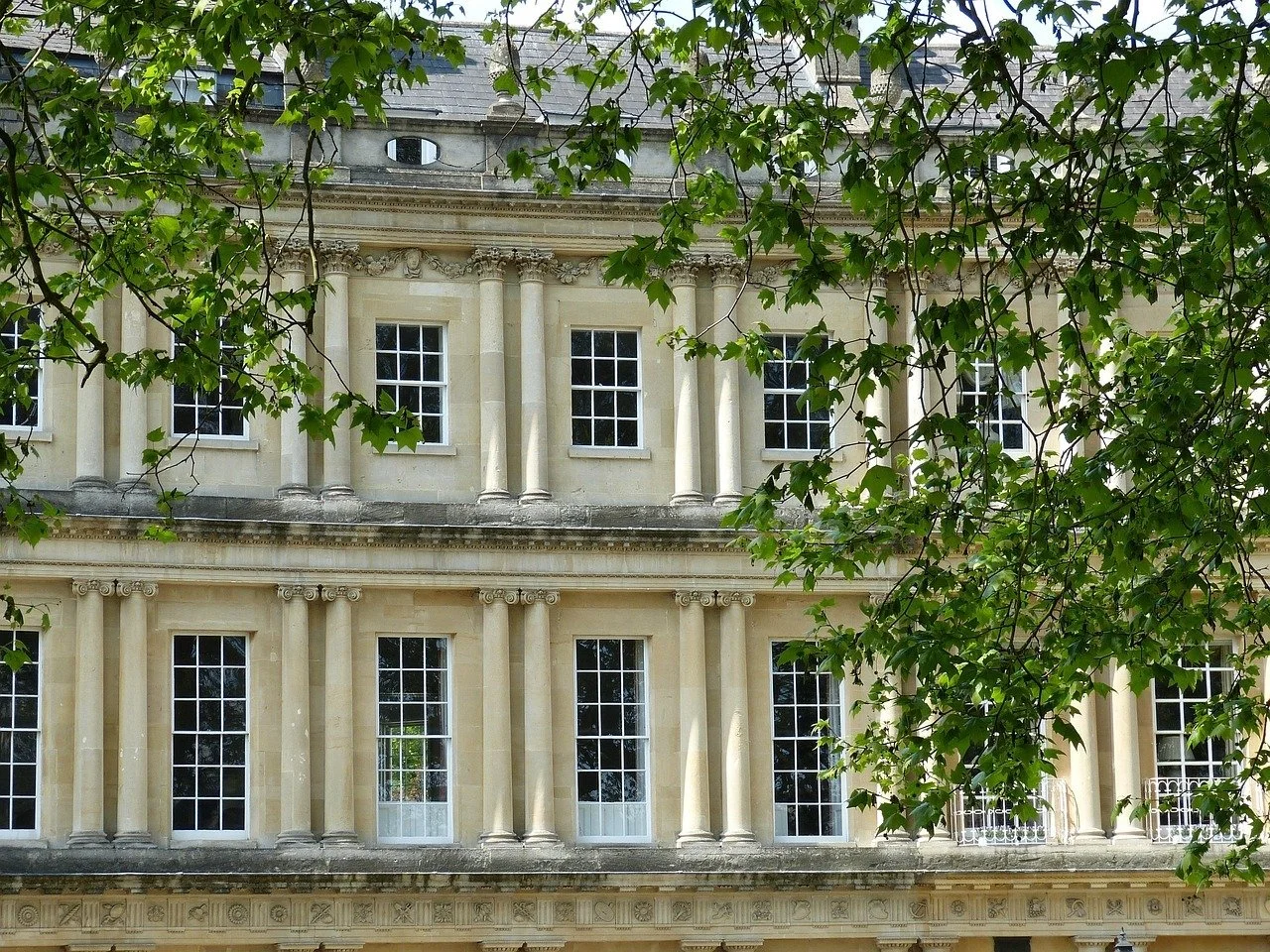
Historic Architecture & Cultural Landmarks – renowned for its stunning Georgian architecture and historic sites, including the iconic Roman Baths. The city’s timeless aesthetic has also made it a popular filming location for period dramas such as Netflix’s adaptation of Bridgerton.
2. Budapest, Hungary 🇭🇺
Hungary is home to Eötvös Loránd University and Budapest University of Technology and Economics, each offering robust English-based degree programs.
Communicative barriers are rare – on top of major universities offering full degree programs in English, younger people and students generally speak decent English in daily life. Meaning, if you wish to work a part-time job at a cafe, restaurant or central business, you may find that just understanding basic Hungarian would be sufficient. It is a bonus if you speak an additional European language, as Budapest attracts many tourists from across Europe.
Central European Location: likely, if you have any friends studying in Europe, you would hear that oftentimes they take the Interrail to spend weekends in different European countries. Budapest’s position makes weekend travel to cities like Vienna, Prague and Bratislava easy and affordable. A major appeal for international students looking to explore Europe and travel.
Public transport is highly accessible, costing just 980 forints and offering efficient metro, tram, and bus networks that allow students to commute easily – even beyond the immediate university area.
At universities with English-based programmes, it is fairly easy to acquire various scholarships for international students,serving as a major draw.
For art students seeking cultural richness, affordability, and historic European charm, Budapest offers an inspiring and accessible environment in which to develop creatively. From its iconic ruin bars and Art Nouveau architecture to sweeping views along the Danube River, the city inspires at every turn.
3. Kyoto, Japan 🇯🇵
While Kyoto offers exceptional cultural depth and academic prestige, international students without Japanese proficiency may find daily life more challenging compared to larger cities like Tokyo. Developing at least conversational Japanese can significantly enhance both academic and social integration. Nevertheless, there are universities with English-taught programs, most notably Ritsumeikan University and Temple University at the undergraduate level.
Kyoto’s traditional neighbourhoods, temples, and slower pace of life provide a deeply immersive environment for students seeking an authentic cultural experience alongside their studies.
Major Transport Hub: Kyoto is directly connected to Osaka, Tokyo, and Hiroshima via the Shinkansen, making travel between cities and prefectures both efficient and convenient for students. An added cultural bonus is the experience of trying ekiben (train bentos) along the way– particularly fitting in a city renowned for its refined and seasonal cuisine.
Access to nature and seasonal beauty: surrounded by mountains and interwoven rivers, Kyoto remains a national hotspot for the passing of seasons from spring cherry blossoms to autumn foliage. Students can set off on hiking trails (such as Fushimi Inari Mountain trail) or unwind in temple gardens such as those at Ryoan-ji or Ginkaku-ji, where carefully designed landscapes create spaces for reflection just moments from the city’s academic institutions.
With that being said, the best student city is not always the largest or most famous, but the one that allows you to grow academically, culturally and personally. Though larger cities like Singapore, Hong Kong, New York City and Sydney may dominate headlines, the most transformative experiences often unfold in quieter, more unexpected places.
