
How to Catch Up After Summer Without Burning Out
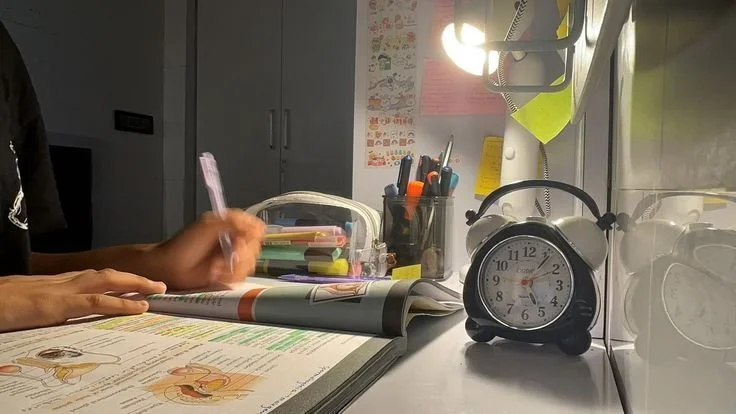
Summer break is a chance to relax, recharge, and take a break from school. But when summer break ends, getting back into a school routine can feel challenging and overwhelming. You may suddenly find yourself facing unfinished assignments, new classes, and the need to prepare for upcoming school admissions.
The good news? You don’t need to catch up on everything at once. With the right approach, you can get back on track without burning yourself out.
1. Start by Figuring Out What You Actually Need to Catch Up On
Before opening your textbooks and studying for hours, take a moment to assess where you are.
Make a list of your upcoming assignments, important deadlines, subjects you struggled with last year, and any summer homework you still need to complete. Then, separate these tasks into three categories:
Urgent: Things with an upcoming deadline
Important: Topics or assignments that will affect your progress
Can wait: Things that would be helpful, but are not immediately necessary
This immediately visualizes your priorities, and helps you avoid the feeling that everything needs to be done immediately.
2. Focus on the Biggest Gaps First
You do not need to relearn an entire year's worth of material before school starts.
Instead, identify the areas that are most relevant to your current classes. For example, you could go through your curriculum and search for weak spots. If you struggled with algebra last year and your new math class builds on those skills, reviewing key concepts can be much more useful than trying to revisit every formula you learned.
Prioritize the foundations that you will actually use.
A short, focused review can be a lot more effective than hours of unfocused studying.
3. Rebuild Your Study Routine Gradually
One of the biggest mistakes students make after summer is trying to immediately return to a demanding school-year schedule. If you have spent the past few months sleeping late and relaxing, trying to fix your schedule overnight will be unsustainable, and exhausting.
Start small! Don’t try to “lock in” immediately. Instead, try setting aside 30–60 minutes of focused study time each day, then gradually increase your study time to help yourself adjust to your regular school workload.
This adjustment period could also be a great time to work with a tutor. Working with a tutor can provide focused, personalized learning and help you establish a consistent, regular study routine. Our experienced tutors at Kokusaba can help you excel in your education not only during this adjustment period, but also throughout the school year.
4. Remember That Rest Is Part of Catching Up
It can be tempting to sacrifice sleep, hobbies, or time with friends when you feel behind. However, constantly pushing yourself can make it harder to concentrate and retain information.
Remember to be gentle on yourself, and focus on balancing rest and study rather than going “all in” on your studies. Getting enough sleep and taking regular breaks does not mean you will fall behind. Nourishing your mind and body throughout your studies will prove to be worth it in the long run.
A Strong Start Does Not Mean Doing Everything
Starting a new school year strong does not mean being perfectly organized from day one or finishing months of work in a single weekend.
Instead, focus on making steady progress. Identify what matters most, rebuild your routine gradually, and give yourself enough time to rest.
The September goal is not to become a completely different student overnight. It is to create habits that will help you stay on track throughout the school year—without burning out before it really begins.
Feel free to reach out to Kokusaba Tutoring for your academic needs!
